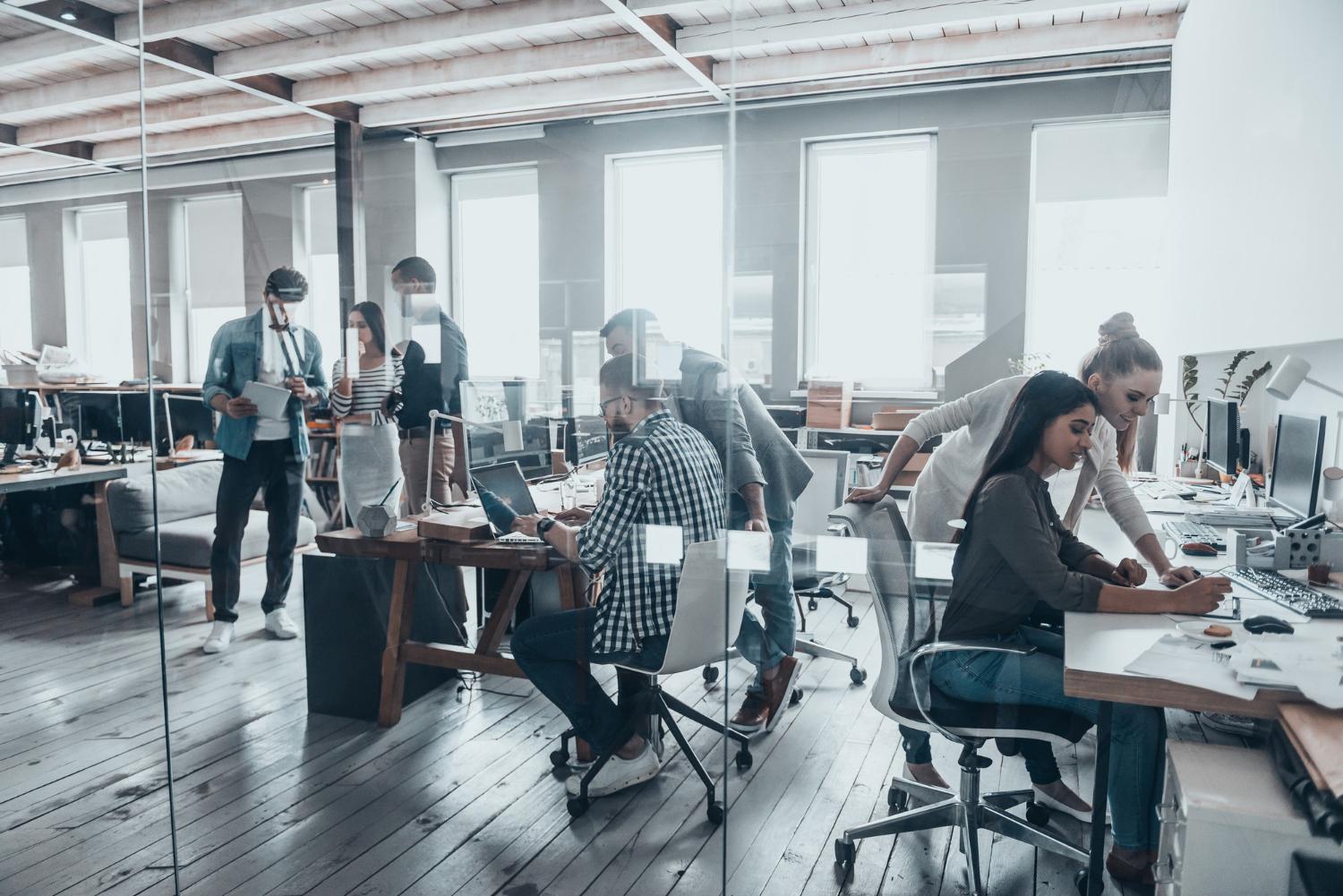
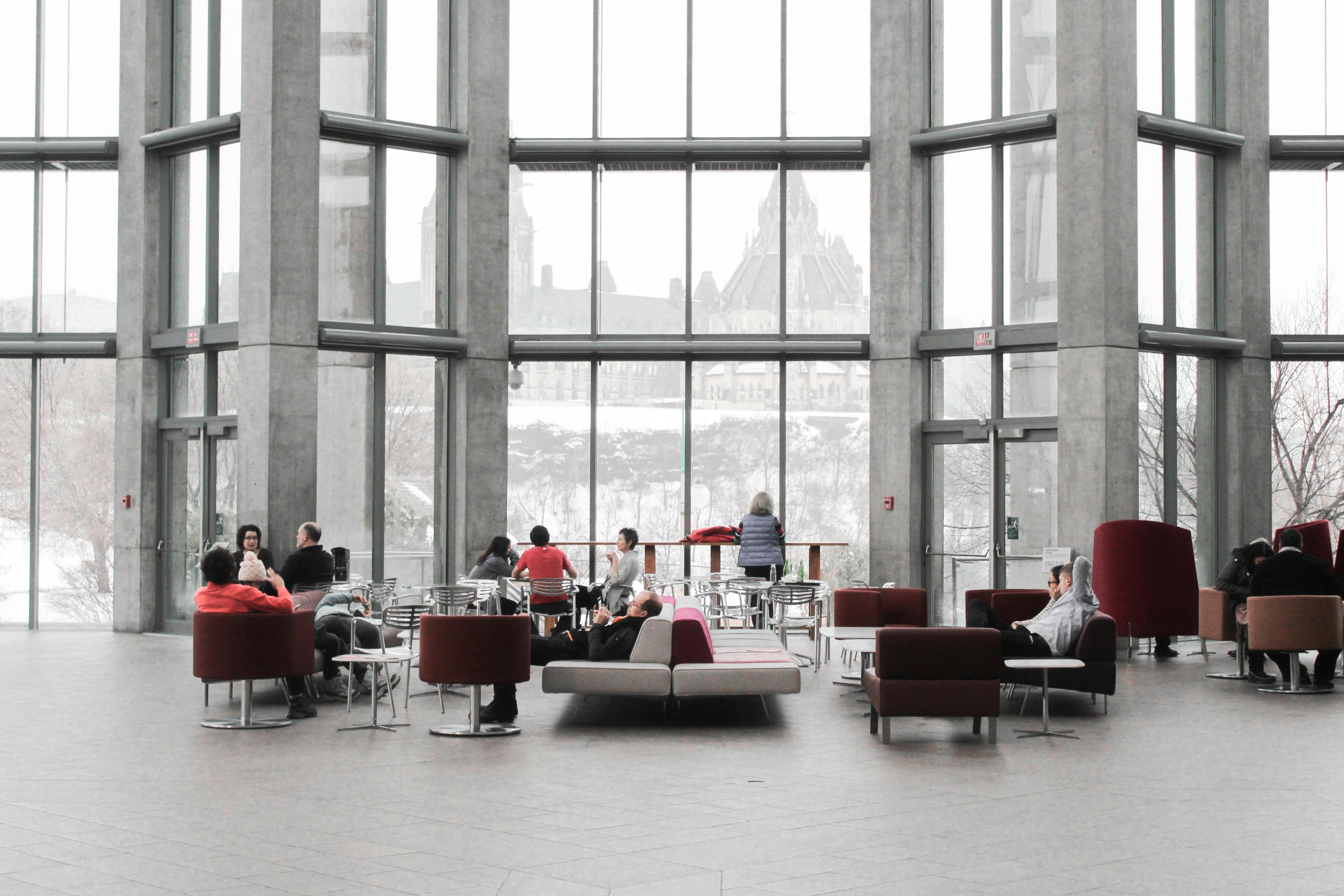
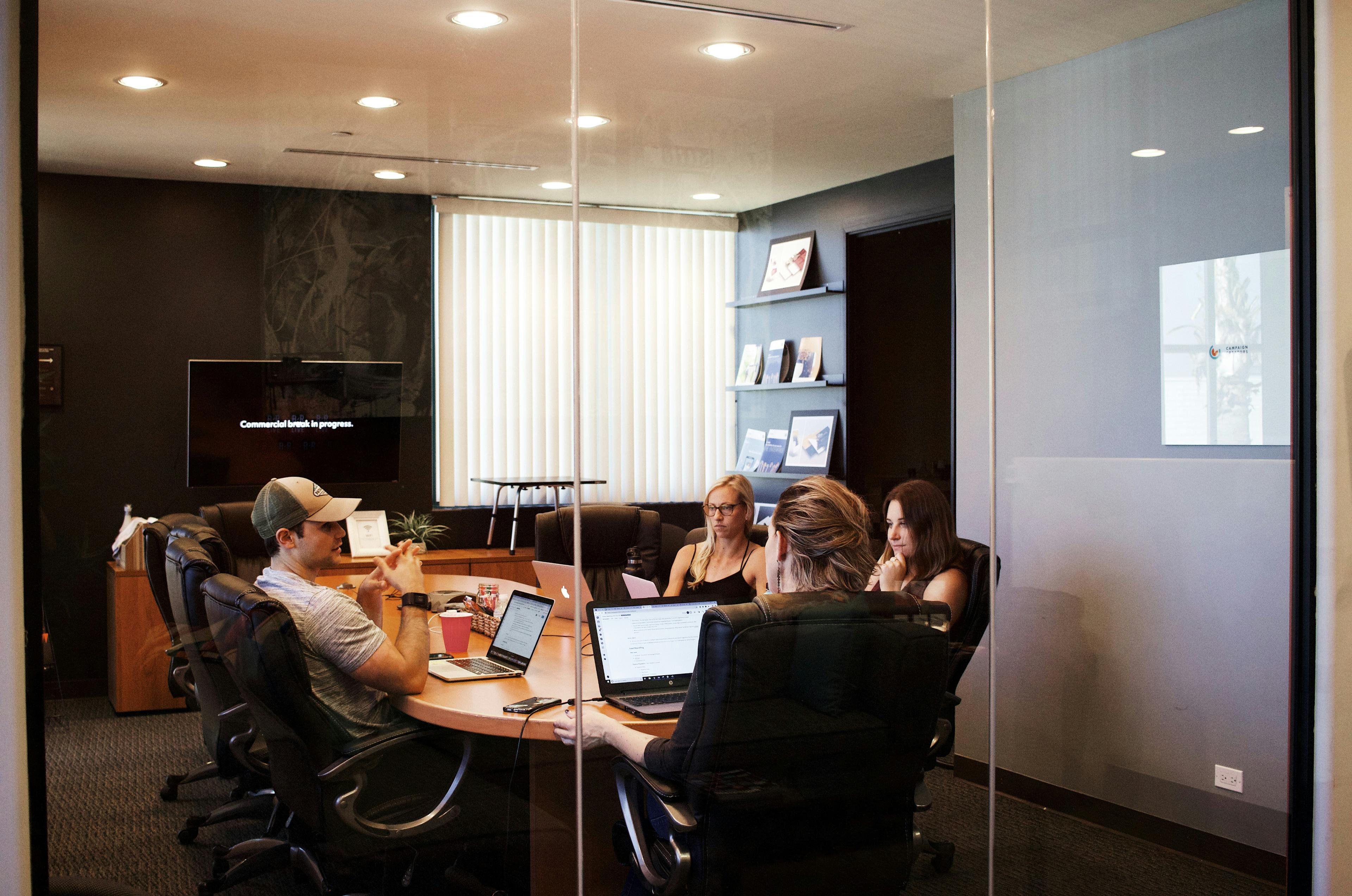
Natural materials, daylight, and plants reduce cognitive load and improve wellbeing. These are not luxuries: they are productivity infrastructure. Research from environmental psychology consistently shows that exposure to natural elements—wood grain, living plants, and daylight—reduces stress hormones and improves cognitive performance. The biophilic design movement isn't just aesthetic; it's backed by measurable improvements in focus, creativity, and job satisfaction.
The quality of light matters deeply. Daylight regulates circadian rhythms, improving sleep quality and daytime alertness. When natural light isn't available, full-spectrum LED lighting that mimics daylight can provide similar benefits. Position workstations to maximize daylight exposure, and ensure that artificial lighting supplements rather than replaces natural sources.
Acoustic treatments and airflow management dramatically change how a space feels after hour three—precisely when most offices start to fatigue people. Poor air quality and constant background noise create cumulative stress that compounds throughout the day. Smart HVAC systems that monitor and adjust CO₂ levels, combined with strategic acoustic panels, create environments where people can sustain peak performance longer.
Material choices impact both sustainability and health. Low-VOC paints, formaldehyde-free furniture, and natural flooring materials reduce indoor air pollution. These choices aren't just better for the planet—they're better for the people spending eight hours a day in the space. Healthier air means fewer sick days, better focus, and higher employee satisfaction.
Measure what matters: CO₂ levels, lux at desk height, reverberation time, and footfall. Let the data inform design tweaks over time. Modern sensor technology makes it easy to monitor environmental quality in real-time. Use this data to identify problem areas and validate that your sustainable design choices are delivering measurable improvements in air quality, lighting, and acoustic comfort.
Green choices—LEDs, smart HVAC, and low‑VOC paints—quickly pay back through lower utility and maintenance costs. Energy-efficient lighting can reduce electricity costs by 50-70%, while smart HVAC systems optimize energy use based on occupancy and weather patterns. The initial investment in sustainable technology typically pays for itself within 2-3 years through reduced operational costs.
Sustainable design creates a virtuous cycle: better environments improve team performance, which increases business outcomes, which justifies continued investment in the space. When teams feel better, they produce more, creating a tangible return on your sustainability investment.
Engage your team in the sustainability journey. Share data about energy savings, air quality improvements, and waste reduction. When people understand the impact of their workspace choices, they become active participants in maintaining and improving the space. This engagement creates a culture of sustainability that extends beyond the physical environment.
Sustainability done right is invisible day to day; teams simply feel better and produce more. The best sustainable workspaces don't announce their green credentials—they create an environment so comfortable and productive that people forget they're working in a space designed for both performance and planetary responsibility.
Remember that sustainability is a journey, not a destination. Start with the highest-impact changes—lighting, air quality, and material choices—then iterate based on what you learn. Small, continuous improvements compound over time, creating a workspace that gets better every year.